
Uncover the meaning behind hotel star ratings and learn how hotel classification impacts your travel choices in this concise guide.
Hotel star ratings have long been used to give guests an idea of what to expect from a hotel’s quality and level of service. But how does the hotel star rating system work, and who came up with hotel star ratings?
Join us as we reveal the history behind hotel classification according to stars, how it differs in various countries and what hotel stars mean for both travellers and hoteliers.
The history and evolution of hotel star ratings
While the hotel star rating system is often associated with American organisations like Mobil Oil, the concept of grading hotels for quality and service has long been a part of Irish, UK and European hospitality, too.
Fáilte Ireland is the organisation responsible for the hotel classification system in Ireland. To achieve between two and five stars, hotels have to meet a specific set of criteria. It’s slightly different if you’re visiting a UK hotel. You’ll encounter a different hotel rating system based on the groundwork laid by the Automobile Association (AA) for a formal rating system, which they used to recommend hotels to its members.
Over time, these recommendations evolved into a more structured system. These hotel star ratings were more focused on safety and basic amenities rather than luxury. The AA and other bodies, like the RAC (Royal Automobile Club), developed criteria that ranged from one to five stars.
These rating systems have since become more refined to match the expectations of the modern traveller. For example, the AA star rating system evaluates hotels on a range of factors including hospitality, service and overall quality.
The concept of star ratings developed simultaneously in different countries, in Ireland, it is generally intertwined with the growth of tourism and a desire to uphold certain standards in hospitality.
The inexact nature of hotel rating systems
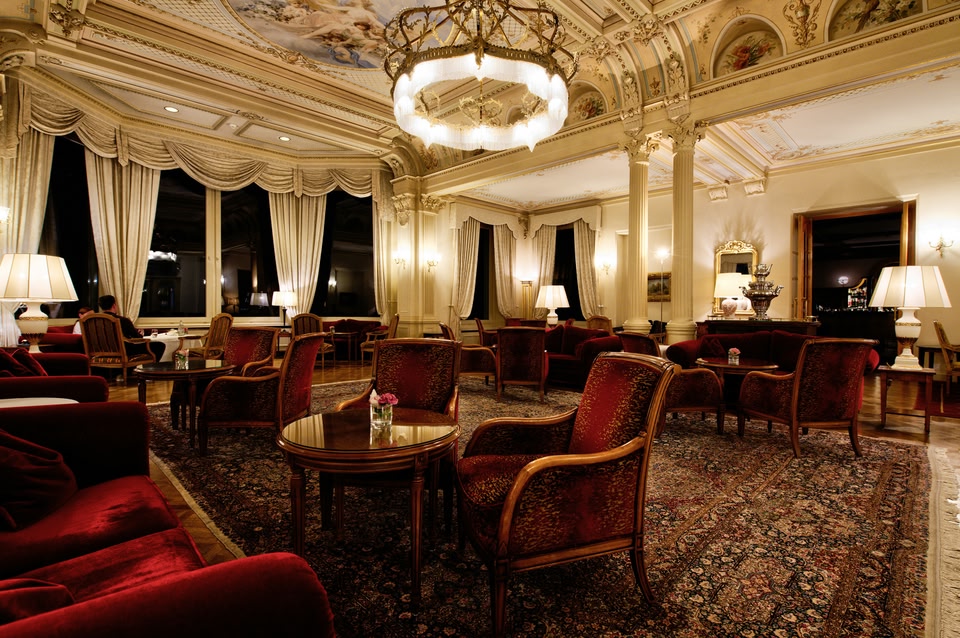
While the Forbes, Fáilte Ireland and AAA hotel rating systems are well known, you’re likely to encounter different hotel rating systems when you travel. Today, the hotel rating landscape is diverse, mixing the official system with informal rating systems.
Many online travel agencies and booking sites feature not only official hotel rankings from organisations like Fáilte Ireland, but also crowd-sourced star ratings that are based on user reviews. Additionally, platforms like Google use a rating system that’s derived from a range of sources, including third-party partners and machine-learning evaluations.
Hotel rating systems can vary significantly from one country to another. For instance, in Ireland, the classification ranges from two to five stars, which is different to the global-standard of one to five stars.
Next, we will explore different hotel star systems from around the world. But before that, let’s dive into what each of the five hotel star rankings typically signifies in Ireland.
Understanding the different star ratings

Guests familiar with the hotel star system wouldn’t show up at a one-star hotel expecting a private personal trainer and an in-room butler. But what makes a five-star hotel different from its four-star counterparts?
While rating systems can vary slightly in terms of criteria, overall they point to the same set of standards. Here’s what a hotel’s star rating can generally tell you about the services, quality and the amenities it offers.
One-star hotels
One-star hotels are establishments that offer basic accommodation with essential services. It’s important to note that a one-star rating does not necessarily imply poor quality, but rather a focus on simplicity and affordability without all of the frills.
For those seeking a straightforward place to stay without a hefty price tag, a well-rated one-star hotel can be an excellent choice. User reviews are particularly valuable in these cases, providing real-world insights into the experience.
Two-star hotels
In Ireland, opting for a two-star hotel typically means you’re looking for comfort and basic amenities without the need for luxury. These hotels usually offer private rooms with essential facilities like Wi-Fi, making them a practical choice for many travellers.
The guest rooms in Irish two-star hotels often have a simple yet comfortable ambiance. Expect clean linens, a desk and basic decor in a welcoming, if not luxurious, environment. While the setting might be unassuming, the focus is on cleanliness and functionality.
Two-star hotels in Ireland, much like their counterparts elsewhere, are frequently chosen by business travellers and those seeking affordable accommodation. Chains such as Premier Inn or Travelodge are common examples.
They might not provide lavish facilities, but they often offer good value for money. Additionally, you might find amenities like a complimentary breakfast, adding to the appeal for budget-conscious travellers.
Three-star hotels
Three-star hotels strike a balance between quality and affordability. While priced slightly higher than their one and two-star counterparts, they typically offer good value for the rates charged.
These hotels are ideal for guests seeking a comfortable vacation stay without the extravagance of luxury hotels. In Ireland, top three-star hotels often include amenities such as:
- On-site restaurants offering a variety of cuisines
- Fitness centres and indoor or outdoor pools
- Convenient locations near popular tourist spots or business districts
- Rooms or suites with stylish decor
- Bars or in-room mini-bars
- Conference rooms for business meetings
- 24-hour front desk assistance
Great examples include three-star hotels like Generator Dublin and The Waters Country House in Galway. These establishments provide a mix of comfort, convenience and reasonable pricing, making them popular choices for a range of travellers.
Four-star hotels
Many four-star hotels are luxury establishments characterised by their high-end amenities, exceptional locations and elegant interiors. The distinction between three and four-star hotels in Ireland often lies in the superior quality of service and meticulous attention to detail.
For instance, while a three-star hotel in Ireland may offer room service and pleasant views, a four-star hotel could provide additional amenities like concierge service and a prime location in the capital, close to St Patrick’s Cathedral or Dublin Zoo.
Four-star hotels in Ireland are known for their array of on-site amenities. These typically include services like turndown service, luxury toiletries, gourmet dining options and exclusive spa facilities. Opting for a high-quality four-star hotel in Ireland often means accommodations with a luxurious touch.
Five-star hotels
While there’s no universally-fixed criteria for what makes a hotel five-star, these establishments are widely recognised as the pinnacle of luxury in terms of service, accommodations and amenities.
Five-star hotels in Ireland often feature exquisitely styled and elegant interiors. On-site spas and gourmet dining options are standard, with restaurants often led by renowned chefs. The guest rooms in these hotels are designed for ultimate comfort and luxury.
Leisure facilities in an Irish five-star hotel are typically exceptional. This might include multiple swimming pools, often heated or located outside in stunning settings. Others may offer an indoor pool with a city or country view.
Additional amenities in these top-tier hotels often encompass full-service salons, exclusive entertainment venues and state-of-the-art gyms equipped with the latest fitness technology. Staying at a five-star hotel in Ireland is an all-encompassing luxury experience where every detail is taken care of, from the moment you check in until you (reluctantly) check out.

Criteria for hotel star ratings
We’ve explored what you can expect from hotels of various star ratings, but how exactly are these ratings determined in Ireland? The process can be quite detailed and varies between different rating organisations.
In Ireland, Fáilte Ireland, the National Tourism Development Authority, is the primary body responsible for awarding hotel star ratings. It has its own set of criteria that hotels must meet to achieve a certain star rating. For example, its rating system assesses hotels on aspects like cleanliness, hospitality, service, bedrooms, bathrooms and food quality.
Fáilte Ireland’s criteria are comprehensive, covering everything from having fresh flowers in the bedroom to the guest experience and facilities. While the exact criteria are extensive, they create a consistent standard across all hotels.
Hotels need to meet a minimum regulation requirement to be classed as such, and specific criteria to earn between two and five stars. The criteria provide guests with a clear understanding of what to expect.
Regional variations in star ratings
While many countries around the world have their own hotel rating systems, the way each works can vary widely. For instance, four stars may not mean exactly the same thing in France and Spain — or even in two different cities in Spain.
Spain is one of the few countries that doesn’t have a national hotel rating system, so standards can vary slightly from one region to the next. Italy also has a regional star system that’s overseen by the government instead of private organisations.
In places like Spain and Italy, where each region has its hotel star rating system, Skyscanner really comes in handy. It includes reviews from real travellers just like you, including individual scoring for Cleanliness, Location, Service, Rooms, Value and Sleep Quality, so you can compare the average guest rating to the official rating. You’ll also find reviews with photos from guests and detailed information about exactly what amenities each hotel includes, giving you a clearer picture of what to expect. So, when you’re looking at hotels and the local star ratings seem a bit all over the place, Skyscanner’s system is a great way to get the real scoop.
Luckily, there are some areas of Europe where ratings are a little easier to navigate. For example, countries like Germany, Greece and Sweden are all members of the HotelStars Union, which ranks hotels in each participating country from one to five stars based on the same criteria.
The good news is that you don’t necessarily have to research separate star systems based on whether you plan to travel to Australia or Dubai. Forbes Travel Guide now ranks top hotels all over the world using the same system.
Special cases: Beyond five stars
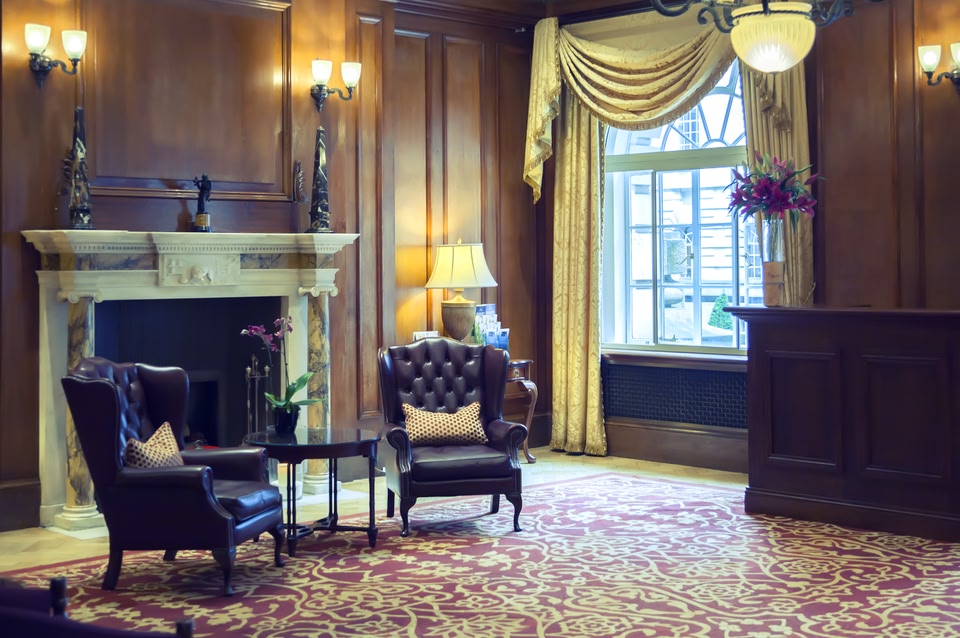
If someone were to ask you what the highest star rating for a hotel was, you’d probably answer five, right? While you wouldn’t exactly be wrong, there’s technically another possible answer.
Over the years, the term ‘seven-star hotel’ has become popular in the travel industry. While there’s technically no such rating in any official standards, that’s exactly the point.
Seven-star hotels take luxury to a whole new level with extravagance that makes them once-in-a-lifetime experiences. The Burj Al Arab in Dubai is a prime example of seven-star splendour due to its fairy-tale-like interiors, private beaches and a full range of exquisite restaurants.
The impact of hotel star ratings on guest experience
In some respects, hotel star ratings have become far more important for hoteliers than guests. Scoring a coveted four or five-star rating can go a long way toward putting a well-run hotel on the map — a fact that hotel owners everywhere know all too well.
The quest for higher hotel star ratings is now as important to many hotels as grades are to secondary school pupils hoping to get into Trinity College Dublin. From service quality to pricing, hotel classification can help keep the expectations of hotels and travellers on the same page.
Choosing the right hotel for your needs
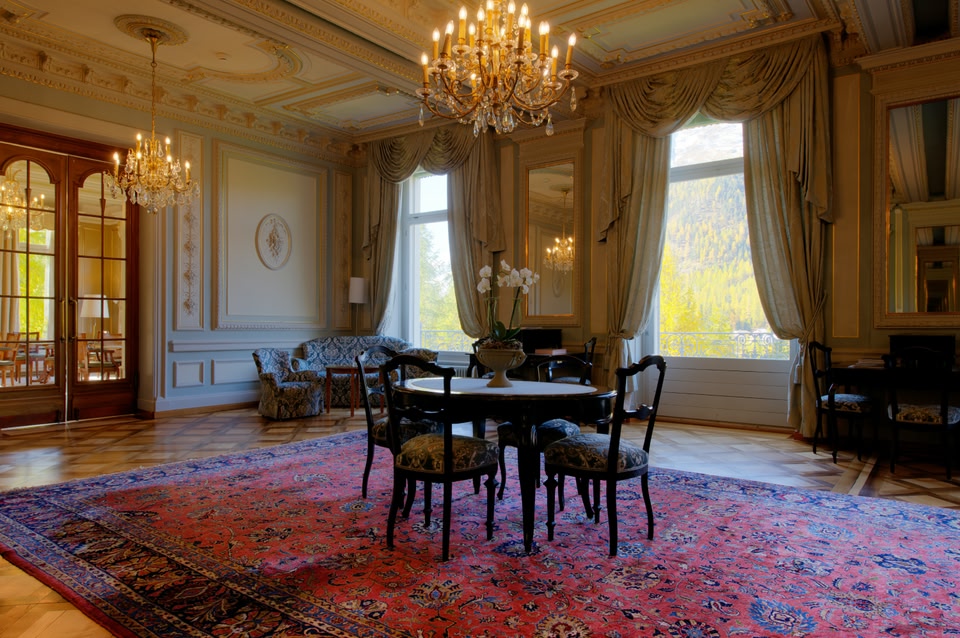
As you can see, hotel star ratings don’t always come down to the difference between ‘amazing’ and ‘avoid at all costs’. They’re more intended as general guides to fill you in on what to expect.
That’s why it can be useful to take both customer and star ratings into account when selecting the best hotel for your needs. Reading customer reviews and checking out traveller photos can often provide far more thorough clues to what awaits you after check-in.
The significance of hotel star ratings
As important as some travellers consider hotel star ratings, they’re still a relatively new concept that was born less than a century ago. It’s important to keep in mind that they’re still a work in progress and will evolve along with the future of the hospitality industry.
Sure, hotel star ratings can hint whether or not to expect valet parking and luxury linens. But try to remember that they tend to be pieces of the puzzle rather than the full picture.
Ready to use your new-found knowledge of hotel classification to chart your next adventure? Whether you’re looking for bargains or fluffy bathrobes, Skyscanner’s always happy to help you find the best hotels for your next journey.
Skyscanner can help you find the best flights, hotels and car hire deals for your next trip.