Your guide to Nagoya

Nagoya highlights
Transport museums
As the city where Toyota was founded, Nagoya is big on transport-focused museums. The Toyota Commemorative Museum of Industry and Technology explores car manufacturing through interactive displays. At the SCMaglev and Railway Park museum, you can tour retired train cars and try a driving simulator. At the airport, the Aichi Museum of Flight showcases planes and helicopters.
Epic green spaces
For a city of industry, Nagoya boasts a wealth of lush green spaces. The vast flower gardens at Tsuruma Park are spectacular, and Shirotori and Tokugawaen are prime Japanese ‘stroll gardens’, with paths winding around ponds. The Yamazaki River promenade is called the ‘Path of Four Seasons’ for its year-round appeal — but it really dazzles when the cherry blossom trees bloom.
Diverse architecture
It’s not a trip to Nagoya if you don’t take in the architecture. Nagoya Castle is an impeccable reconstruction of a 17th-century complex, while Ōsu Kannon Temple, Yagoto-san Kōshō-ji and Atsuta Shrine show off a range of traditional Japanese styles. To experience the city’s contemporary edge, don’t miss the Mode Gakuen Spiral Towers and the spaceship-inspired Oasis 21 complex.
Nagoya: Know before you go
| Language | Japanese |
|---|---|
| Currency | Japanese yen (¥) |
| Time zone | UTC+9 (JST) |
| High season | March - May |
| Low season | June - August |
Find the best time to go to Nagoya
Weather in Nagoya
March – May: Spring is mild to warm, ushering in big blooms around Nagoya’s parks and gardens. But expect occasional showers and frequent cloud cover.
June – September: Summers are hot, humid and often rainy. Plan on outdoor activities in the morning or evening, then hit the shopping complexes in the afternoon. Typhoons are a possibility in August and September.
October – November: The air is crisp in autumn, and the skies are at their bluest. Add to that the changing colour of the leaves around town, and this is a great time to visit Nagoya.
December – February: Winter is chilly but not frigid. While you’ll need to bundle up, you can usually forget the umbrella, as this is the driest time of year.
Events in Nagoya
Nagoya Ramen Festival (February): Drawing ramen makers from all over the country, this festival in Hisaya-Ōdōri Park offers all the tasty soup you can slurp.
Nagoya Castle Spring Festival (March or April): To celebrate its hundreds of blooming cherry blossom trees, the popular castle holds dance and music performances, plus special talks and tours.
Nippon Domannaka Festival (August): A joyful celebration of Japan’s varied dance traditions, this festival (also known as Domatsuri) features performances by roughly 200 teams around the city.
Nagoya Festival (October): The cornerstone of this event is a parade of floats and processioners dressed up like historical feudal lords. Crafts vendors, food stalls and musical performances keep the festivities going over two days.
The best neighbourhoods in Nagoya
Nagoya Port
Located on Ise Bay, this waterfront district centres on theme parks and marine attractions. Enjoy classic fairground rides at Nagoya Port Sea Train Land, or explore the colourful worlds of LEGOLAND Japan. For a quieter break, walk the waterfront park, or take the ferry that connects the port with the city centre.
Good for: Theme parks, museums, water views
Ōsu
Ōsu centres on an eight-street covered shopping arcade built around the Ōsu Kannon temple. You’ll find vintage clothing stores, retro video game shops and tightly packed food stalls throughout. The area is often compared to Tokyo’s Harajuku or Akihabara districts thanks to its mix of youth culture, niche shopping and constant foot traffic.
Good for: Vintage shopping, street food, historic temple
Sakae
If you’re wondering where to stay in Nagoya to be near the action, this entertainment district should be your top choice. By day, the central neighbourhood’s fashionable department stores are thronged with shoppers. After dark, Sakae’s nightclubs, bars and restaurants are in full swing. There’s even a brightly lit Ferris wheel where you might catch a J-pop band.
Good for: Nightlife, luxury shopping, city views

Things to do in Nagoya
Beaches
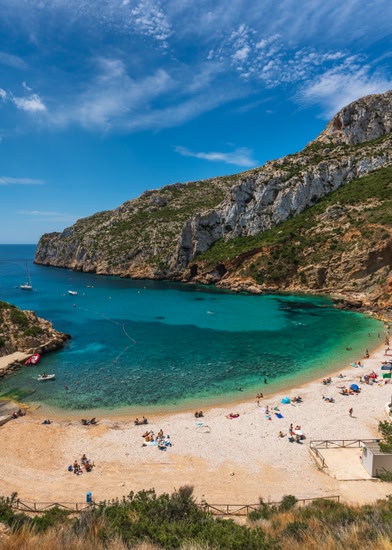
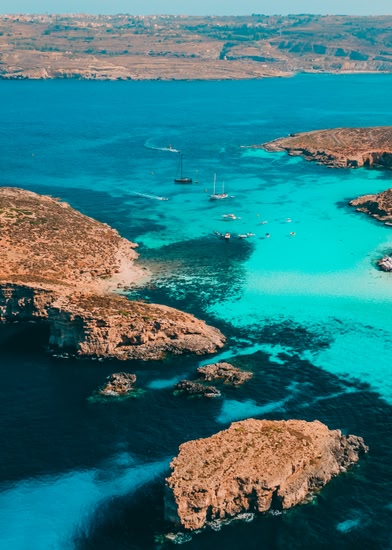
Though Nagoya’s waterfront lacks beaches, there are plenty of sandy shorelines less than an hour away from the city. Atsumi, Chita and Mikawa bays all offer long beaches and calm waters to swim or windsurf in. If you’re looking for more seclusion, take a boat to the small islands of Himakajima, Shinojima or Sakushima.
Shopping
Whether you’re after the latest Japanese designer sneakers or stylish stationery, the department stores and boutiques of the Sakae neighbourhood are the places to go. Vintage hunters can easily spend hours flipping through clothing racks and record bins in the Ōsu district. International luxury fashion brands are clustered around the Nagoya Station area.
Nightlife
Most after-dark activity happens downtown, particularly around Sakae, where it’s easy to move between pubs, karaoke bars and multistorey dance clubs. You’ll find several mid-sized venues hosting live music throughout the week. For a relaxed night out, visit one of the swanky hotel bars, many of which are positioned on high floors with views of the city.
Places to eat
Grilled eel, the tagliatelle-like ‘kishimen’ noodles and miso-based sauces define the city’s distinctive food culture. You’ll find these dishes everywhere from casual izakayas to well-established restaurants in Nagoya, alongside a growing range of international options. For a livelier setting, the night market Nayabashi Yoichi combines street snacks with an easygoing evening atmosphere.
Take in the culture
For an overview of Japanese history, head to the Tokugawa Art Museum and Nagoya City Museum, both with extensive collections of fine art and artefacts. The city’s designated ‘cultural path’ links early 20th-century mansions and smaller museums. If you want to focus on a specific tradition, there are museums in Nagoya dedicated to tea ceremonies, sake and more.
Family friendly
Come for LEGOLAND, and stay for the legions of other family-friendly spots around Nagoya. Museums dedicated to maritime history, the Japanese railway or old-fashioned spinning tops appeal to kids. The Nagoya City Science Museum houses the biggest planetarium in the world. And just outside Nagoya, Ghibli Park captures all the artful detail of the Japanese studio’s animated films.
Get ready for Nagoya
Budget
It doesn’t take much effort to enjoy an inexpensive stay in Nagoya. A one-way ticket on public transport costs around 255 Japanese yen (¥), while a cab ride is typically less than ¥2,750. A soft drink will set you back less than ¥200, and a domestic beer is about ¥500. Even a three-course meal for two costs only around ¥5,000.
Day trips from Nagoya
Only about 30 minutes north, Inuyama City makes an easy day trip, with a well-preserved 16th-century castle, riverside walks and landscaped gardens. To the east, Toyota City extends beyond factory tours, offering a modern art museum, a sake brewery and scenic countryside that’s especially appealing in autumn. High-speed trains also put Kyoto and Osaka within an hour.
Getting around Nagoya
Skip the hire car — and the traffic — and instead take advantage of Nagoya’s efficient public transport system. The subways here reach all corners of the city, though often buses offer more direct routes. On weekends, holidays and the eighth day of each month, Nagoya offers a ticket for unlimited rides on the subway and buses.
FAQs about visiting Nagoya
More travel inspiration


More dream destinations
Not sure Nagoya is the one? These holiday hotspots might be a better fit. Compare packages and book your next getaway.