Holidays to Balearic Islands
Top destinations in Balearic Islands

Ibiza
There’s more to this Spanish island than nightclubs and nonstop parties. Discover Ibiza’s colourful history, UNESCO World Heritage sites and some of the Mediterranean’s best beaches.
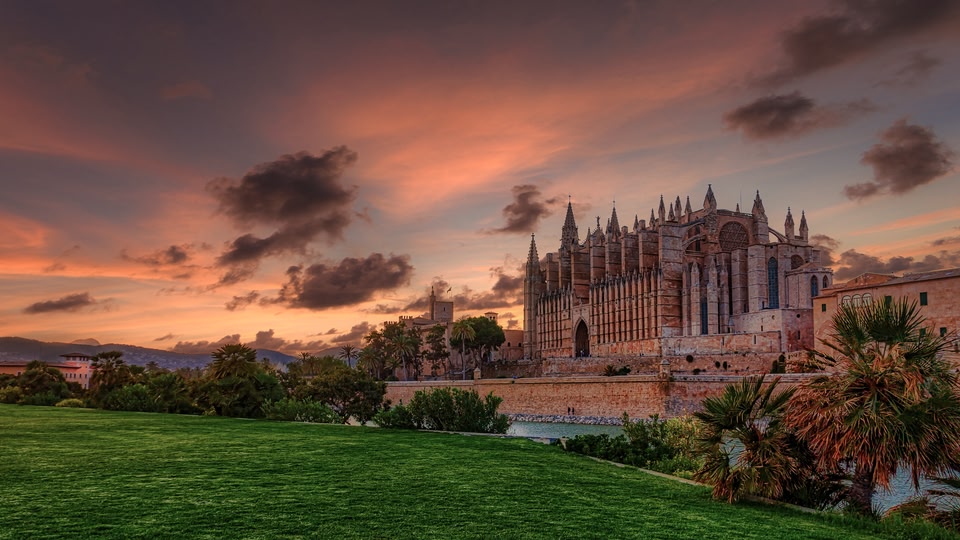
Palma
Medieval streets and Baroque churches set the scene in Mallorca’s exciting capital. Expect blissful days exploring Palma’s museums, art galleries and markets before sunset drinks by the beach.
Balearic Islands: fast facts
| Language | Catalan, Spanish |
|---|---|
| Currency | Euro (€) |
| Time zone | Palma de Mallorca - UTC+1 (CET) and UTC+2 (CEST) |
| High season | June – September |
| Low season | November – March |

Balearic Islands holiday highlights
Party island
Rooted in the counter-culture movement of the 1960s and 70s, Ibiza’s nightlife is among the most legendary on the planet. Celebrity DJs perform at iconic venues like Pacha and Ushuaïa in front of thousands of revellers. From beach bars and open-air mega clubs to underground raves, experiencing Ibiza’s hedonistic allure is a top thing to do in the Balearic Islands.
Midsummer fiestas
Held around the summer solstice, the Fiestas de Sant Joan de Ciutadella are Menorca’s most emblematic celebrations. Over three days, the port city of Ciutadella comes alive with horse shows, medieval equestrian games, local food and fireworks. The Caragol des Born is one of the most anticipated events, when horses parade into the historic Plaça des Born square.
Majestic forts
Everyone from the Byzantine Empire to the Moors and Romans have raided the Balearics, leaving the archipelago with a long history of invasion and occupation. Today, grand, walled monuments stand as a testament to the islanders’ efforts to protect themselves. Walk in their footsteps at Mallorca’s 14th-century Bellver Castle, or explore Castle Capdepera, built on the ruins of a Moorish village.
Things to do in Balearic Islands
Top attractions
Bars, boutiques and galleries fill maze-like streets and hidden courtyards beneath Ibiza’s hilltop old town of Dalt Vila. Sail to Cabrera National Park, a protected island chain near Mallorca that’s teeming with sea caves, marine life and Mediterranean history. In Menorca, Naveta des Tudons is the most iconic of the island’s many Talayotic monuments.
Beaches
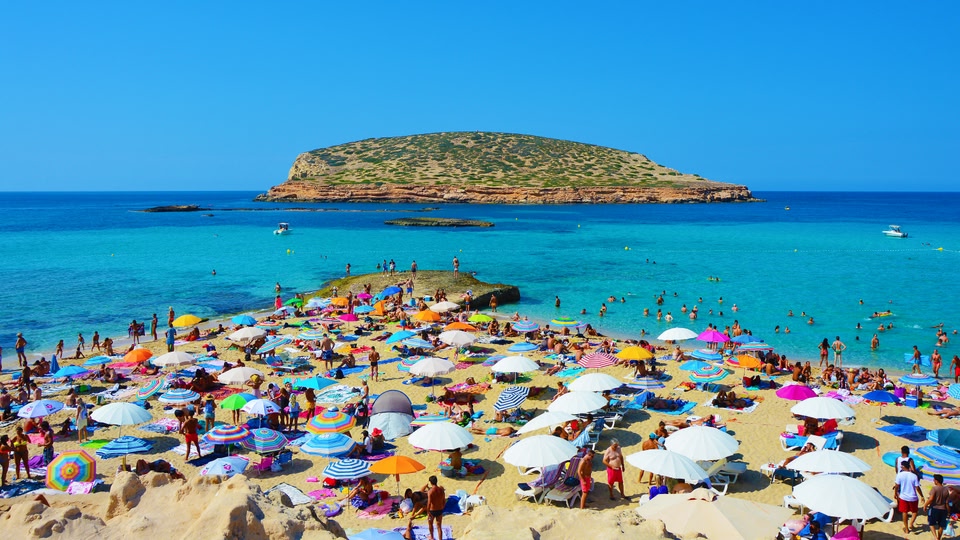
You don’t have to go far to find stunning beaches in the Balearic Islands, from scenic ‘calas’ (coves) to long stretches of fine, white sand. Bathe in turquoise waters at Menorca’s Cala Macarella and Cala Turqueta. Safe swimming and a dune-fringed shoreline lure visitors to Es Trenc Beach in Mallorca. For a hip and trendy vibe, head to Cala Jondal in Ibiza.
Nature
The island of Menorca is a UNESCO Biosphere Reserve, including Parc Natural de s'Albufera des Grau, home to wetland birds like sea eagles and herons. Visit Mallorca's rocky Drach Caves, which surround an underground lake. Or go hiking around the Serra de Tramuntana mountains. And don’t miss the sunsets from Es Vedrà islet in Ibiza.
Cuisine
The local cuisine is influenced by Arabian, French, Greek and other cultures that have shaped the archipelago. At restaurants in the Balearic Islands, sample savoury classics like ‘pa amb oli’ (bread with tomato and olive oil) and ‘sobrasada’ (cured pork sausage with cayenne pepper). ‘Ensaimadas’ (spiral-shaped pastries made with lard and powdered sugar) are a classic sweet treat.
Culture and museums
You’ll find great art museums in the Balearic Islands. Start with the Pilar and Joan Miró Foundation and Es Baluard Museu d'Art Contemporani de Palma in Mallorca. In Menorca, the Naveta des Tudons and Torre d’en Galmés archaeological sites are a glimpse into ancient Talayotic culture. Be sure to stroll around the cobblestone streets of Dalt Vila, Ibiza Town’s UNESCO-listed medieval quarter.
Nightlife
You can’t talk about nightlife in the Balearic Islands without mentioning Ibiza. Ibiza Town, Playa d'en Bossa and San Antonio put on a show with superclubs, sunset beach bars and pool parties. In Mallorca, Magaluf’s Punta Ballena strip draws a young crowd with high-energy clubs and foam parties. Meanwhile, Palma’s waterside La Llotja-Born district is alive with cocktail and wine bars.
Find the best time to visit Balearic Islands
Weather in Balearic Islands through the year
March – May: With mild weather and little rain, spring is ideal for outdoor activities. The Day of the Balearic Islands and Easter are public holidays, when ferries and hotels can fill up fast.
June – August: Summer is the best time to visit the Balearic Islands for long beach days and water sports. Expect lots of sunshine everywhere and highs reaching the low 30s°C.
September – November: Autumn is the wettest season on the islands, but the rain is usually modest. September and October bring vibrant closing parties to Ibiza’s megaclubs.
December – February: Both the crowds and the temperatures drop in winter. Pack a jacket for cooler evenings, and catch the early almond tree blossoms across Mallorca’s countryside.
Events in Balearic Islands
Fiestas de Sant Antoni (January): For two days, Mallorca bursts to life with a celebration of Saint Anthony featuring colourful parades, bonfires and animal blessings.
Day of the Balearic Islands (March): The entire archipelago dresses up to mark its anniversary as an autonomous region. Enjoy food markets in Palma, traditional horse displays in Menorca and regattas off the coast of Ibiza.
Deià International Music Festival (May to September): World-class chamber and classical music performances take over venues like churches and museums in and around Deià and Palma.
Ibiza Rocks (May to October): Head to the Ibiza Rocks Hotel in Sant Antoni de Portmany for poolside DJ sets and live music. Previous headliners include Arctic Monkeys and The Prodigy.
Know before you go
Budget
Planning a relatively cheap holiday to the Balearic Islands is entirely possible, especially if you travel in the off-season. Expect to pay about 14 euros (€) for an inexpensive meal and around €4 for a local beer. Things can cost a little more in Ibiza, but taking public transport between towns will help save money.
Health and safety
There are no specific vaccination requirements for visiting the Balearic Islands. Tap water is typically safe to drink, but some opt for bottled water instead due to its high mineral content. Stick to marked trails and follow official guidelines when hiking. And be mindful of changing winds and tides when in the water.
Free things to do
In Palma, walk in the footsteps of royalty while spotting colourful plant displays and artwork by Joan Miró at Garden Marivent. Or explore the prehistoric tombs of Menorca’s Necrópolis de Cala Morell. Nestled between Ibiza and Formentera, discover Ses Salines Natural Park, a coastal haven of untamed beaches and bird-filled lagoons.
Family friendly
For a taste of adventure, Mallorca’s Serra de Tramuntana Reserva Park offers hiking, ziplining and swimming in seasonal mountain pools. At Menorca’s Binissuès museum, discover the island’s rural lifestyles and see a huge collection of insects and reptiles. Over in Ibiza, the Las Dalias markets are overflowing with handicrafts, vintage fashion and street food.

Getting around Balearic Islands
Public transport
Buses: TIB runs most of the buses in Mallorca, with routes connecting all corners of the island. The seasonal Discobus makes it easy to reach Ibiza’s top nightclubs. In Formentera, the Touristic Bus L3 is a two-line summertime service.
Trains: Take a scenic ride across Mallorca’s Serra de Tramuntana on the wooden Tren de Sóller electric train. Serveis Ferroviaris de Mallorca (SFM) has three lines linking Palma with Inca, Manacor and the city’s university campus.
Boats: Passenger ferries are a popular way to hop between islands. Top routes include Ibiza to Formentera, Mallorca to Menorca, and Mallorca to Ibiza. Services also connect to mainland Spain and southern France.
Domestic flights
Flying between the islands isn’t usually necessary. The quickest ferry route between Ibiza and Mallorca is just over two hours, compared to around 50 minutes (plus airport time) by plane. However, multiple airlines connect the islands to destinations throughout Europe.
Driving and car hire
Driving is a fun way to see the Balearic Islands, with well-maintained highways and country roads. Bring your car on a ferry from mainland Spain or hire one locally. Don’t miss Mallorca’s Carretera de Sa Calobra, an iconic road trip packed with switchbacks, hairpin curves and mountain views.


