Holidays to South Korea
Top destinations in South Korea
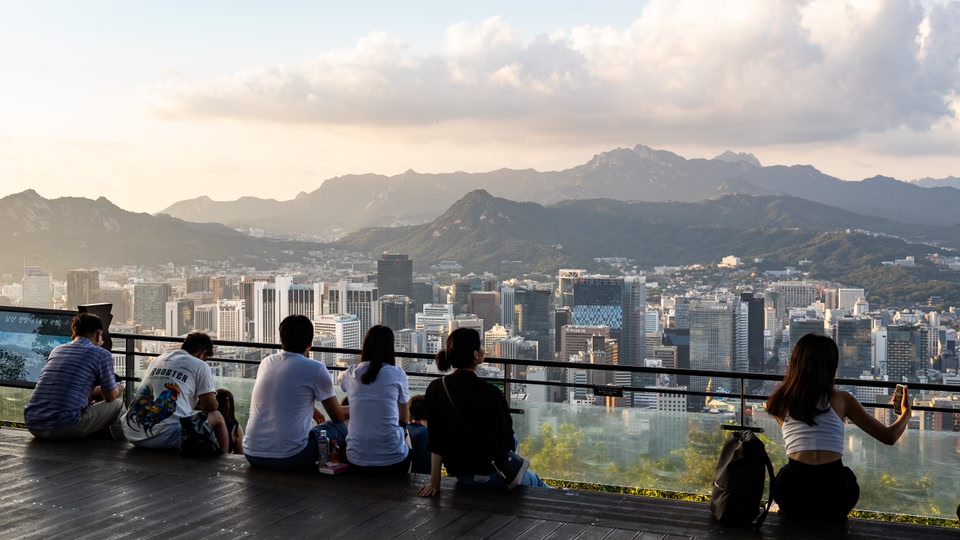
Seoul
High-tech meets ancient traditions in South Korea’s ultra-cool capital. From ornate temples and palaces to a forward-thinking food and drink scene, see why this Asian city is on everyone’s bucket list.

Busan
In South Korea’s picturesque second city, you’ll find rugged mountains, colourful architecture, glistening beaches and one of the best fish markets in the country.

Jeju
The volcanic island of Jeju is a place of mystical beauty. Admire cherry blossoms, hike towering peaks or laze on ivory shorelines lapped by waves in the South Korean getaway.
South Korea: fast facts
| Language | Korean |
|---|---|
| Currency | South Korean won (₩) |
| Time zone | UTC+9 (KST) |

South Korea holiday highlights
Witness ancient traditions
Experience life under the Joseon dynasty at the Bukchon Hanok Village, where dressing in traditional ‘hanbok’ borrowed from vendors is highly encouraged. Time your visit to Gyeongbokgung Palace with the elaborate changing of the guard ceremony. South Korea is home to around 20,000 Buddhist temples — opt for a meditation retreat to discover the joy of zen.
Embrace K-culture
From movies and music to face moisturisers, K-culture has taken the world by storm. Seoul is ground zero for K-pop fans. Catch a local K-pop concert, take a K-pop dance class or record yourself on K-pop video sets. To experience the country’s thriving beauty and wellness industry, schedule a soak at a Korean bath house, known as ‘jjimjilbang’.
Feast on street food
Snacking on street food is one of the best things to do in South Korea. Vendors here have been cooking up cheap and tasty dishes since the Goryeo dynasty. Chicken skewers, mung bean pancakes and kimchi dumplings are all on the menu at Seoul’s Gwangjang Market, with plenty of offerings for more adventurous palates too.

Things to do in South Korea
Top attractions
Backdropped by Bugaksan’s peak, Seoul’s Gyeongbokgung Palace looks much as it did in 1395. From there, walk to Bukchon Hanok Village, where charming teahouses offer tranquillity in one of Asia’s buzziest capitals. Tour the Demilitarised Zone (DMZ) for a glimpse of life in North Korea. For an offbeat souvenir, hit the farmers market for rice grown in some of the least polluted soil on earth.
Beaches
This futuristic country is also blessed with the paradise shores of Jeju Island. On the mainland, Busan has some of the most popular beaches in South Korea. On Saturday nights, the sky above Gwangalli Beach dazzles with the country’s largest drone show. In North Gyeongsang Province, the Jukbyeon Coast Skyrail hugs the rocky shoreline, providing panoramic views of the East Sea as waves crash below.
Nature
Seoul is ringed by the peaks of Bukhansan National Park. Well-marked trails take in the sea of skyscrapers below, while lush forest reveals hidden temples to anyone not afraid of a little hiking. Tropical Jeju Island is South Korea’s answer to Hawaii. Start the day here at the volcanic crater Seongsan Ilchulbong, also known as Sunrise Peak.
Culture and museums
The museums in South Korea span subjects from kimchi to high-tech toilets. The Demilitarised Zone (DMZ) marks the border between North and South Korea. Book a tour with a North Korean defector to learn about their harrowing escape. On Jeju Island, the Jeju Haenyeo Museum documents the elderly women — known as the Jeju Mermaids — who freedive these shores to feed their community.
Cuisine
Seoul is full of themed cafes celebrating everything from witches to raccoons. The famous barbecue restaurants in South Korea are very much a communal activity, with meats cooked atop a central charcoal grill. No meal is complete without kimchi, a fiery side of fermented cabbage, South Korea’s national dish and a staple here for thousands of years.
Family friendly
Seoul is teeming with family-friendly attractions. Ride rollercoasters at Lotte World, Asia’s largest indoor theme park, or let the kids run wild at Seoul Forest. KidZania is a child-sized city where they can role-play over 90 careers, including firefighters, airline crew and TV anchors. From sprawling arcades to kid cafes, the fun is never far away.
Find the best time to visit South Korea
Weather in South Korea
March – May: Mild temperatures and blooming cherry blossoms make spring the best time to visit South Korea. But the weather can change in an instant, so pack layers, waterproofs and an umbrella.
June – August: Summer typhoons bring humidity and peak temperatures of 35°C. Cool down in the highlands of Seoraksan National Park, or take it easy on the east coast’s golden sands.
September – November: Brilliant foliage and mild temperatures make autumn another beautiful time to visit. Pack for both rain and shine.
December – February: A dusting of snow brings winter lows of –3°C. Hit the Olympic slopes at Gangwon-do, then thaw out afterwards at the ‘jimjilbang’, a traditional bathhouse.
Events in South Korea
Jinhae Cherry Blossom Festival (March to April): While events across the country celebrate the beloved bloom, the largest takes place in Jinhae. Get the iconic shot of the blossoms along the railway line before sampling floral-themed treats.
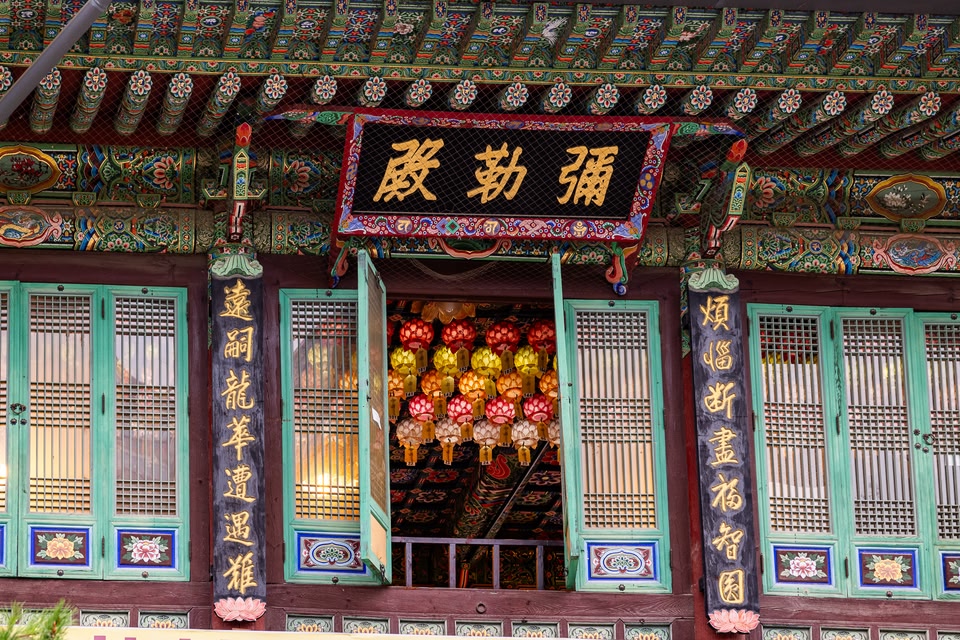
Lotus Lantern Festival (April or May): The Buddha’s birthday has been celebrated in Seoul for more than a thousand years. Join in the fun by making your own lantern, watching the parade and enjoying cultural performances.
Boryeong Mud Festival (July to August): This coastal city’s mud is renowned for its anti-ageing properties. Dive down a mudslide, try your hand at mud wrestling and unwind with a mud massage.
Know before you go
Local etiquette
Always respect subway seats designated for elderly, disabled or pregnant travellers. Keep these free even if the carriage is crowded. Chatting loudly and eating on public transport will also earn you the side-eye. You may need to remove your shoes at guesthouses, teahouses and temples, so be sure to wear clean socks.
Health and safety
Air quality in South Korea can be poor. If you suffer from respiratory issues, check weather forecasts daily, wear a face mask and opt for indoor attractions when pollution is high. Vaccination against hepatitis A is recommended if you plan to visit rural areas. During summer’s mosquito season, it’s a good idea to double up with the Japanese encephalitis vaccination.
LGBTQ+ travel
Seoul’s Itaewon neighbourhood is the heart of LGBTQ+ life in South Korea. But queer visibility is scarce beyond the capital. You’ll find a small community in Busan and an even smaller one on Jeju Island. Public displays of affection are uncommon, even among straight couples. Mingle with thousands at Seoul Pride in May or June.
Budget
For a cheap holiday to South Korea, make use of the country’s fantastic public transport system and affordable street food. A short taxi ride will cost you about 4,000 South Korean won (₩), and an inexpensive meal is around ₩10,000.
Getting around South Korea
Public transportation
Buses: Express coaches connect Seoul with major cities like Busan and Gwangju. Book online via KOBUS or Bustago. Smaller towns and rural areas are serviced by regional companies.
Trains: High-speed KTX trains make the most of tight schedules, while Mugunghwa trains offer a more leisurely pace and major savings. Cut costs further with a Korail Pass if travelling between several major cities.
Boats: Ferry ports across South Korea connect to Jeju Island, and international ports link Busan with Japan and Incheon with China.
Domestic flights
There’s not much reason to fly domestically in this relatively small and well-connected country. That said, flights to Jeju Island are significantly cheaper and quicker than the ferry. Keep an eye on the weather forecast, as typhoon season may affect departures.
Driving
You’ll drive on the right side of the road in South Korea. Before your arrival, obtain an International Driving Permit (IDP) to accompany your home country licence. Traffic in Seoul is intense, and parking can be tough to come by. Download Naver Maps for a reliable GPS. The country has harsh punishments for driving under the influence of alcohol, so if you plan to have even a single drink, do not drive.


