Holidays to Corsica
Top destinations in Corsica

Ajaccio
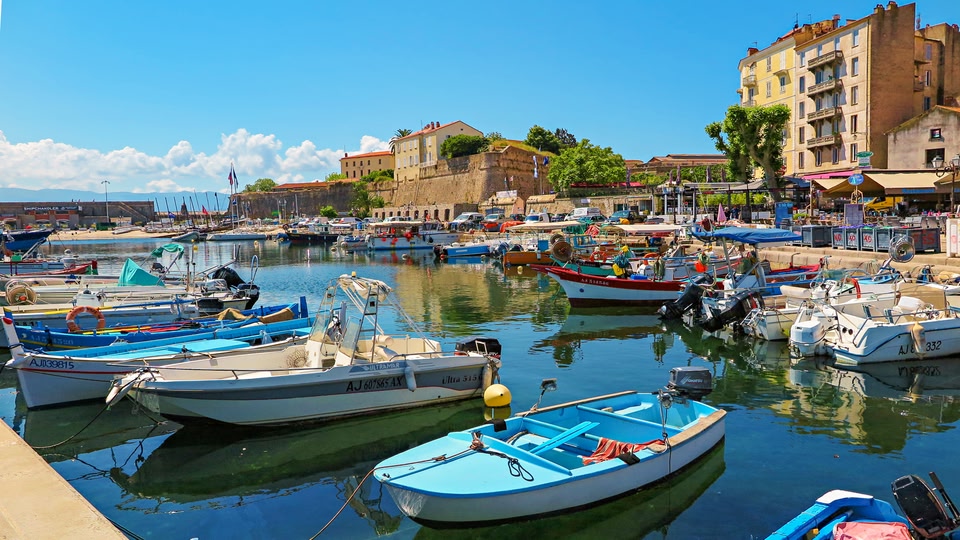
Corsica’s capital is a patchwork of pastel buildings, ornate churches and charming squares. Throw in a golden coastline and a bustling port, and you’ve got the makings of a Mediterranean masterpiece.

Bastia
With its 17th-century cathedral, walled citadel and maze of winding streets, Corsica’s second-largest city exudes historical and portside charm from every corner.

Calvi
The centre point of Calvi is its impressive 13th-century citadel. But don’t miss out on the vast sandy beaches, yacht-filled marina and freshly caught seafood in this charming Corsican town.
Corsica: fast facts
| Language | French |
|---|---|
| Currency | Euro (€) |
| Time zone | Ajaccio - UTC+1 (CET) and UTC+2 (CEST) |
| High season | June – September |
| Low season | November – March |
Corsica holiday highlights
Take an epic hike
Pack your hiking boots because walking is one of the most popular things to do in Corsica. Hardcore adventurers might choose to tackle the mountainous GR20 over 15 days, or you can just sample one of its sections in a day. There are loads of family-friendly coastal walks too, where you can reward yourself with a plunge into the island’s turquoise waters.
Attend a festival
Corsica hosts over 50 festivals each year, from regional events celebrating almond harvests, cheese making and olive oil to larger events featuring stars from the worlds of music and film. Music lovers should time their visit for the summer months to catch annual favourites like Jazz in Ajaccio, Calvi on the Rocks and Patrimonio’s Guitar Festival.
Explore the history
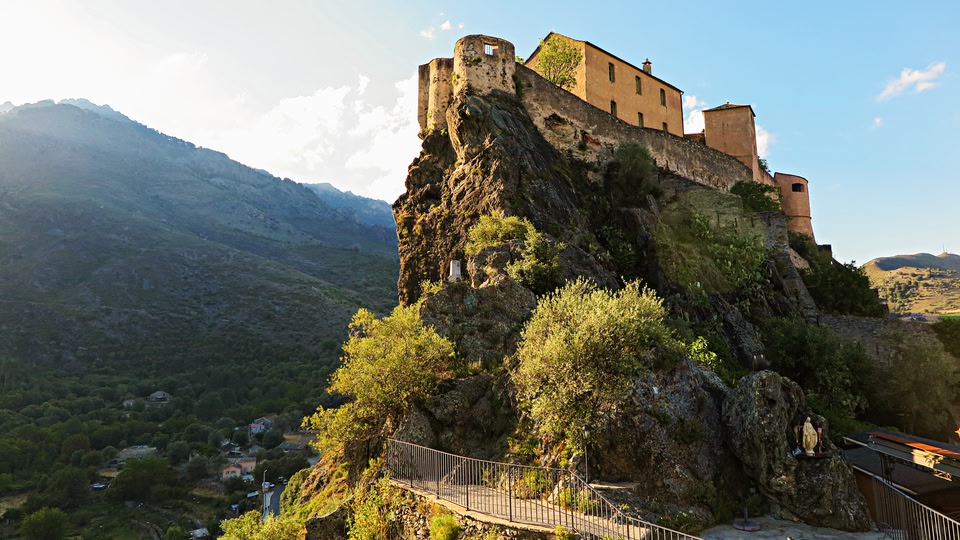
Corsica’s historical architecture tells a proud story of defiance. Take in the sweeping views from the Tower of Omigna and the Campomoro Tower, two restored Genoese towers built to fend off invaders. And in Ajaccio, visit the birthplace of Corsica’s most famous son, Napoleon Bonaparte.
Things to do in Corsica
Top attractions
Perched atop the cliffs on Corsica’s southern tip, Bonifacio citadel offers spectacular sea views and medieval wonder. With craggy outcrops surrounded by sapphire-blue water, the Scandola Nature Reserve is one of the most breathtaking sights on the island — if you’re lucky, you might see dolphins. Known as the toughest hike in Europe, the GR20 trail takes you through Corsica’s rugged terrain.
Beaches
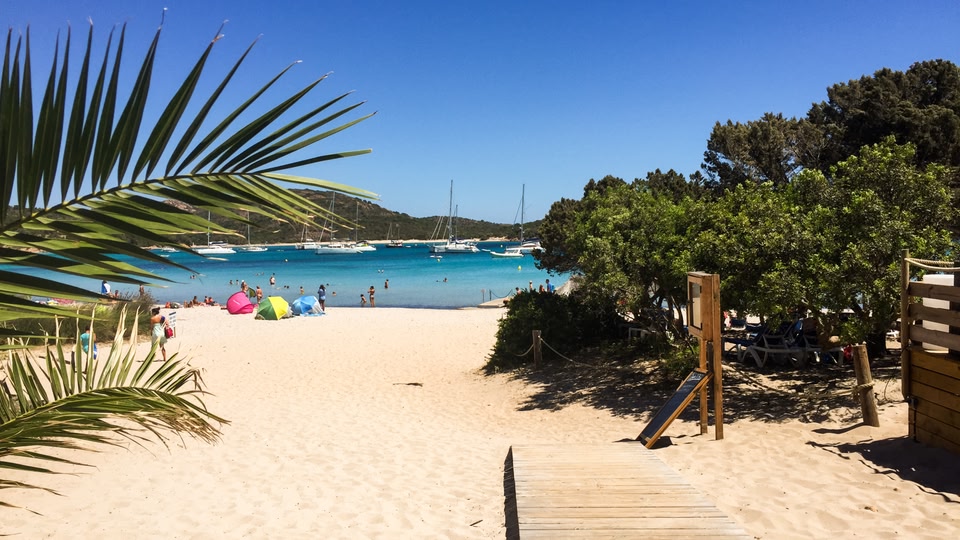
There are 200 beaches in Corsica to choose from. Pick from bustling deckchair-studded shorelines or quiet beaches hidden below towering cliffs. Watched over by its centuries-old citadel, popular Calvi Beach offers sparkling waters, lively bars and trendy cafes. And isolated Ostriconi Beach is the spot to experience Corsica in all its uncrowded, wild beauty.
Nature
Throughout the ages, Corsica has been known as the ‘Island of Beauty’. From the highest peak of Monte Cinto to the jagged Calanques de Piana on the western coast, its diverse landscapes are a nature lover’s dream. Don’t miss the Regional Natural Park of Corsica, a timeless world of ancient valleys, waterfalls, birds of prey and hardy Corsican ‘mouflon’ (wild sheep).
Cuisine
The restaurants in Corsica range from Michelin-starred to rustic tavernas serving hearty stews. A mashup of French and Italian influences, Corsican cuisine leans heavily on local produce like chestnuts, cheese and wild boar. Order a platter of local cheeses and charcuterie paired with a bottle of Patrimonio (a local wine) to experience the full range of Corsican flavours in one sitting.
Culture and museums
The museums in Corsica combine culture with historical architecture. In the clifftop town of Bonifacio, explore Bastion de l'Etendard’s coastal defences and the area’s fascinating past. In Bastia, The Palace of the Governors offers glorious artworks with city views to match, while Ajaccio’s Fesch Museum houses European masterpieces in its lavish rooms. And don’t miss Maison Bonaparte, the humble birthplace of Napoleon.
Nightlife
Nightlife in Corsica is a generally laid-back affair, mostly centred around lively restaurants and wine bars. You’ll find plenty of options in larger towns, and even most smaller villages will have a local bar. There are a handful of nightclubs in towns like Porto Vecchio, Bastia and Calvi, but don’t expect an Ibiza-like party scene. Several towns host night markets in summer.
Find the best time to visit Corsica
Weather in Corsica through the year
March – May: Spring is glorious here, with comfortable temperatures and the maquis in full bloom. Most will find it too chilly to swim, but it’s a great time for nature hikes.
June – August: Expect hot, dry summers, with temperatures peaking in the mid-to-high 20s°C. While it’s a little too hot for hiking, it’s perfect weather for a beach holiday.
September – November: Early autumn is possibly the best time to visit Corsica. Tourism and temperatures have cooled, but the water is warm enough for swimming throughout September. October and November are Corsica’s rainiest months.
December – February: The coast experiences mild, Mediterranean winters, while the mountainous interior sees snow. There are even a few ski slopes.
Events in Corsica
A Fiera di U Casgiu (May): This annual ‘Cheese Fair’ in Venaco in central Corsica is a must-visit. Sample a wide variety of artisanal local cheeses and other specialities in a charming small-town setting. The event also features agricultural demonstrations and live music.
Festi Lumi (July): The clifftop town of Bonifacio is even more spectacular during this annual light festival in summer. Light and video projections paint the citadel and old town in vibrant colours, while live performances add to the magic.
Rencontres de Chants Polyphoniques (September): Calvi’s citadel echoes with the haunting sound of polyphonic singing over this five-day festival. The choral tradition isn’t just a marvel of vocal technique — it’s a cornerstone of Corsica’s cultural identity.
Know before you go
Budget
Goods can be more expensive here than in mainland France. But you can still enjoy a cheap holiday to Corsica thanks to its free beaches and national parks. Pay around 25 euros (€) for a simple restaurant meal and €6 for a domestic beer. Short taxi rides will set you back around €11.
Health and safety
Sun protection can be a concern in Corsica. Remember to wear sun cream and a hat, and make sure you have plenty of water with you if you’re out during the day. Wildfires are also a risk in summer, so keep an eye on alerts and obey local fire-safety laws. Many Corsican beaches are unpatrolled. Avoid swimming alone and beware of sudden changes in depth.
Free things to do
Many of Corsica’s beaches are free, including stunning Palombaggia Beach in Porto Vecchio. Near Corte, the Restonica Valley is a landscape of glacier-smoothed boulders, pine forests and crystal-clear natural pools perfect for a dip. Visit the Calanques de Piana at sunset to see the red granite glow. Or travel to the Balagne region to wander around its pretty hillside villages.
Family friendly
Corsica is a great destination for animal lovers. The whole family can saddle up for horse riding along the island’s wooded trails and hidden beaches. Or see horses, donkeys, goats and chickens roam freely in Olva Natural Park. To get the adrenaline pumping, look for adventure parks with climbing courses, rope obstacles and zip lines across the island.
Getting around Corsica
Public transport
Buses: Buses connect Corsica’s main towns with smaller villages. But there’s no true island-wide network, and service can be infrequent, especially outside peak season.
Trains: Corsica’s railway has two lines — Ajaccio to Bastia and Calvi to Ponte Leccia. Both run a handful of times a day, depending on the season. Though slower than driving, hopping on ‘U Trinichellu’ (The Little Train) is a great way to see the island, taking you right through its mountainous heart.
Boats: Ferries connect Corsica to mainland France and Italy, as well as Sardinia, but not between Corsican towns. There’s no coastal ferry service around the island itself.
Domestic flights
There are no flights linking Corsican destinations to each other. However, Air Corsica connects the island to mainland France, as well as a handful of other European destinations.
Driving and car hire
The easiest way to get around Corsica is by car. You can transport your own on a ferry from the mainland or hire one locally. The island’s winding mountain roads mean you’ll want to choose something small but powerful. And while the roads can be narrow, they are generally well maintained.


