
Avoid these 7 expensive mistakes in your next holiday
- Booking your flights at the wrong time
- Falling for a false bargain
- Forgetting to buy travel insurance
- Forgetting to book airport parking in advance
- Changing your money at the airport
- Flashing the plastic if you’re outside the Eurozone
- Leaving your data switched on
1. Booking your flights at the wrong time
We all know that booking in advance usually means scoring cheaper flights. But how far in advance? Get more insight into current flight prices with useful tools like Skyscanner’s Browse by Month function to check the best months to travel across all destinations. You can also set a price alert on all Skyscanner searches. You’ll then be alerted by email as soon as prices change.
2. Falling for a false bargain

You’ve just found a ridiculously cheap flight. Congratulations! But before you buy it, take all the extras into consideration, as they could considerably stretch your holiday budget. Is it so early in the morning you have to book a taxi to catch it? Are you flying to an airport that’s a long way from your destination? And does the airline charge eye-watering fees for checked-in baggage or sports equipment on top of the basic ticket price? The peripheral costs can quickly add up.
Avoid extra charges on your next trip. Check these out:
- Aer Lingus baggage allowance explained
- Ryanair hand luggage allowance and how to avoid the fees
- Flybe baggage allowances and how to beat extra charges
- easyJet’s cabin baggage allowance
3. Forgetting to buy travel insurance

This is likely to be the most expensive mistake you’ll ever make. If you’re unlucky enough to require medical assistance abroad, the costs can be astronomical, particularly in the US, which could total in excess of €140,000. Could you afford that without insurance?
Bear in mind that it almost always pays to shop around for travel insurance; and that if you’re a frequent traveller, an annual multi-trip policy can work out cheaper. But wherever you find your cover, buy it as soon as you’ve sorted your flights. If you leave it till the last minute, you risk not being covered if you have to cancel the trip due to illness or other unforeseen circumstances.

Tip: Don’t forget to check what circumstances are covered before you buy the policy, and that it includes all the activities you’ll be trying on your trip.
If you’re travelling within Europe, then the European Health Insurance Card or EHIC will cover your medical expenses. It’s completely free, and you can apply for your card at your local HSE Health Office. You’ll still need travel insurance, though. Things like ambulance service aren’t covered, nor are return flights if they need to change.

READ MORE: Travel insurance tips – and the cost of NOT getting insured
4. Forgetting to book airport parking in advance

If you’ve ever picked someone up at the airport and nipped into the short term parking, you’ll know how quickly last-minute rates can escalate.
For example, the short term car park at Dublin Airport will cost you up to €40* a day if you pay for it on arrival. But book in advance, and you can get a space for a fraction of the cost. At the time of writing, a week booked in January, for example, was coming in at €99.95* for a full 7 days. That’s a saving of €180.05. Meanwhile, the long term car park (a 10-15 minute shuttle away) is just €36* for the week. It’s €8.50* per day if you don’t book online, which means you’re missing out on a saving of €23.50*.

Tip: If you’re travelling from further away, then it’s worth looking into the airport hotels which offer a parking package, like the Radisson Blu Hotel Dublin Airport.
READ MORE: The 5 best road trips in Ireland
5. Changing your money at the airport
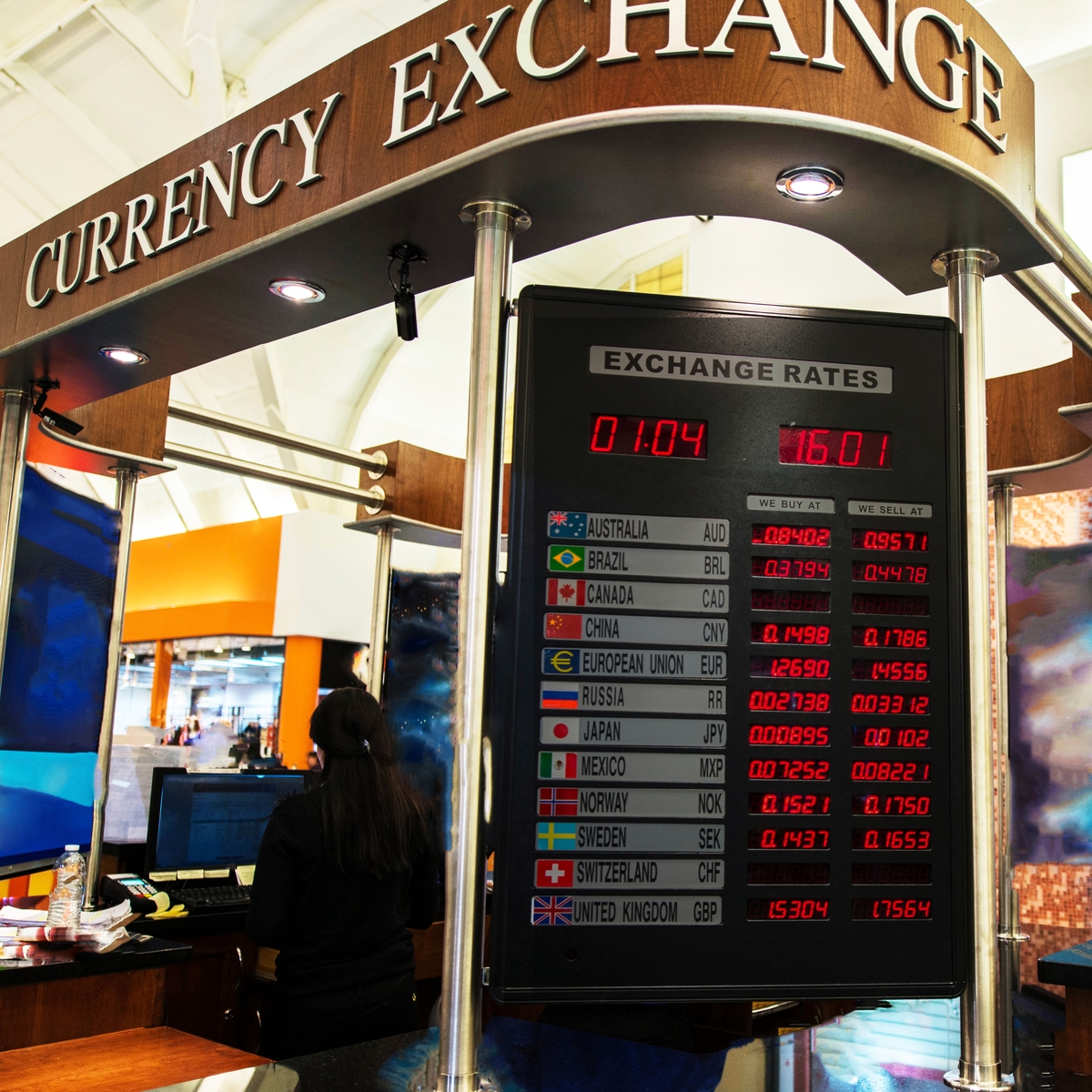
This is one of the quickest ways to blow your holiday budget. Buying currency at the airport will almost always leave you short-changed, thanks to unfavourable exchange rates. Best, then, to do it to advance.
Pop into a participating branch of An Post and you can do it over the counter. The post office also offers 0% commission on US dollars and sterling in cash. Or try a currency delivery service such as No 1 Currency, which at the time of writing was offering better exchange rates than An Post. For transactions of less than €750 you’ll pay a €6* delivery charge, but it’s free if you collect from a local store.
Travel inspiration: Top Festivals Around the World
6. Flashing the plastic if you’re outside the Eurozone

Usually, banks don’t charge any fees if you’re in the Eurozone. But outside it most banks will levy a transaction fee every time you pay with your card, or use an ATM. AIB currently charges 1.75% of the euro value for point of sale purchases, or 2.5% for withdrawals. If you’re using your card frequently, these charges add up.

If you travel a lot, it may be worth looking into an account with an online bank that offers better rates and easy transferring between currencies. A free account with N26 bank allows you to make non-Euro payments with no fee (at market exchange rates) with MasterCard. Similarly, an account with the British bank Revolut allows you to pay with your card for free (again at market exchange rates) and withdraw up to £200 for free from ATMs (with a 2% fee thereafter).
7. Leaving your data switched on will quickly blow your holiday budget

Leaving your data on is one of the quickest ways to blow your holiday budget. Thankfully, data roaming charges have been banned in the EU: but we still hear horror stories from the rest of the world. Someone watches a few YouTube videos in New York and winds up with a phone bill of €1,000. Someone else downloads a Neil Young album and is out thousands. But such costly mistakes that will unexpectedly blow your holiday budget are easily avoided.
If you’re travelling to the US, your best bet is to make sure your phone is unlocked, and pick up a SIM card upon arrival. You can find these at most airports – $35 will buy you a healthy amount of calls, texts and data. And remember, there are no longer data roaming charges within the EU, but do check your allowances with your provider to avoid any eye-watering bills.

Tip: It’s also worth checking if your mobile network offers any good deals and add-ons on international roaming.
*Updated December 2019. Any prices are lowest estimated prices only at the time of publication and are subject to change and/or availability.
Skyscanner is the world’s travel search engine, helping your money go further on flights, hotels and car hire.